




A visitor lands on your website, checks a few pages, maybe looks at a product or service, and then leaves without contacting you or making a purchase. It happens every day.
But leaving your website does not necessarily mean that visitor has lost interest. They may have been comparing options, checking prices, getting distracted, or simply not been ready to make a decision. Retargeting ads help businesses reconnect with these potential customers after they leave.
Instead of showing ads to completely new audiences, retargeting focuses on people who have already interacted with your business. This makes it an important part of digital marketing, paid advertising, and online advertising strategies.
In this guide, we will explain what retargeting ads are, how website visitor retargeting works, why visitors leave without converting, how to build effective retargeting campaigns, which platforms to use, how much retargeting may cost, and how to measure results.
What Are Retargeting Ads?
Retargeting ads are online advertisements shown to people who have previously visited your website or interacted with your digital content but did not complete a desired action.
The desired action could be:
- Making a purchase
- Filling out a contact form
- Booking a consultation
- Calling your business
- Downloading a resource
- Signing up for a service
- Requesting a quote
For example, imagine someone visits an interior design website and views a page about modular kitchens. They leave without submitting an enquiry.
Later, they may see an advertisement from the same business while browsing another website or using a social media platform. That reminder can bring them back to the website when they are more ready to take action.
This is the basic idea behind website visitor retargeting.
How Do Retargeting Ads Work?
Retargeting starts when someone interacts with your website or another digital property.
A business typically uses a tracking technology, such as an advertising platform’s tag or pixel, to build an audience based on eligible website interactions. The advertising platform can then use that audience to deliver relevant ads, subject to its current privacy, consent, and targeting rules.
The process generally looks like this:
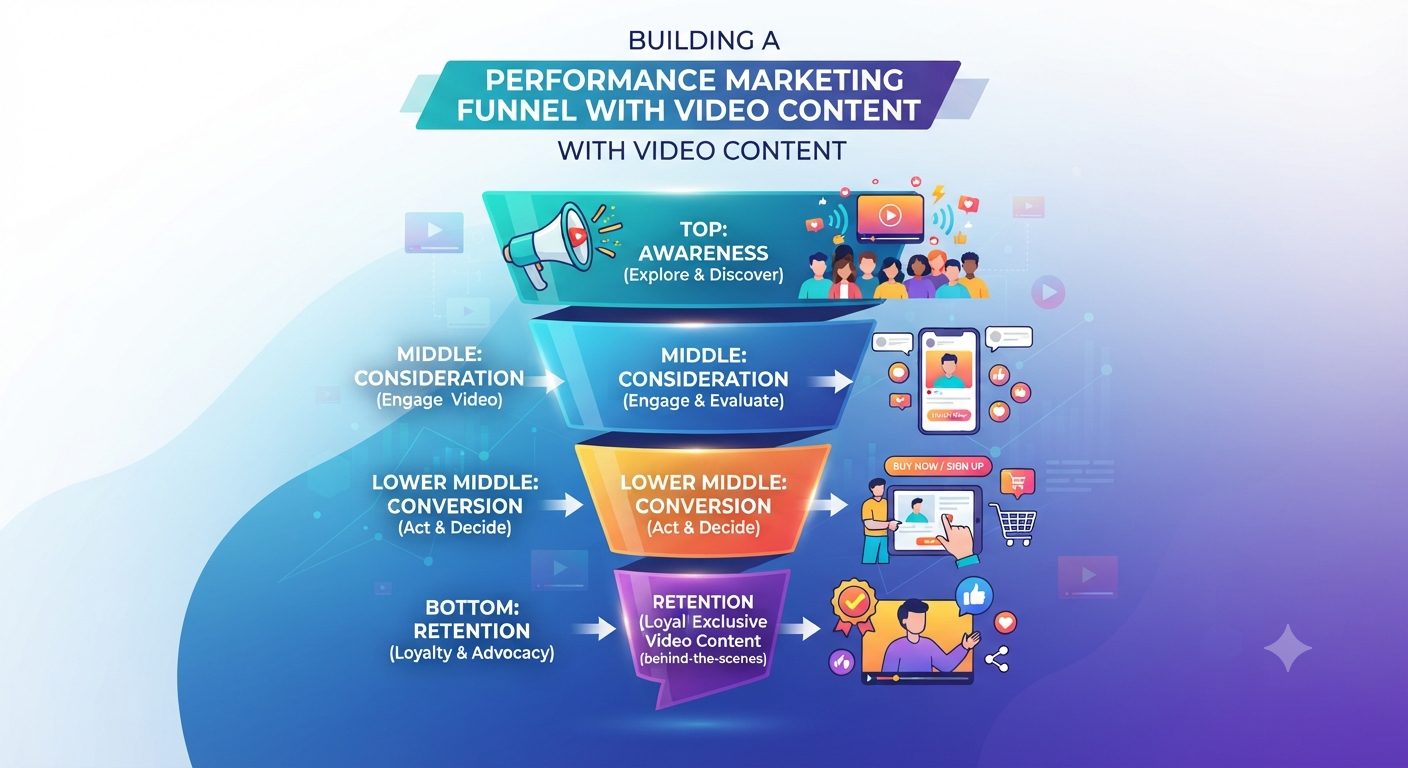
Visitor discovers your business → visits your website → leaves without converting → becomes part of an eligible retargeting audience → sees a relevant ad → returns to your website → converts
For example:
A potential customer searches for “digital marketing agency in Noida” and visits an agency website. They read about SEO services but leave before contacting the agency.
A properly configured retargeting campaign could later remind that visitor about the agency’s SEO services and encourage them to return for a consultation.
The important point is that retargeting does not simply mean showing the same advertisement repeatedly. Effective campaigns use audience segmentation, relevant messaging, controlled frequency, and continuous optimization.
Why Do Website Visitors Leave Without Converting?
Not every website visitor is ready to become a customer during their first visit.
People leave websites for many reasons, including:
- They are still researching their options.
- They want to compare competitors.
- They are not ready to purchase yet.
- They need approval from someone else.
- They want to think about the price.
- The website did not answer their questions.
- They became distracted.
- The checkout or enquiry process was inconvenient.
- They were simply browsing.
This is why businesses should not treat every non-converting visitor as a lost customer.
Retargeting provides another opportunity to communicate with interested users after their first interaction.
Why Retargeting Ads Matter for Businesses
Retargeting is valuable because it focuses on people who have already demonstrated some level of interest.
A cold audience may have never heard of your business. A retargeting audience has already visited your website, viewed a product or service, interacted with your content, or completed another defined action.
This can make retargeting useful for several goals:
Rebuilding Brand Recall
People see hundreds of marketing messages. A visitor may remember your business but forget the name a few hours later.
A well-timed reminder can keep your brand visible during the decision-making process.
Supporting Conversions
Retargeting can encourage visitors to return and complete an action they previously started.
Improving Paid Advertising Efficiency
Instead of treating every visitor as a one-time opportunity, businesses can create campaigns designed to continue the conversation.
Moving Users Through the Buying Journey
Someone who viewed an informational blog should not necessarily receive the same advertisement as someone who added a product to their cart.
Segmentation allows businesses to match their message to the user’s level of intent.
Retargeting vs Remarketing: Is There a Difference?
The terms retargeting and remarketing are often used interchangeably, but they can have slightly different meanings depending on the platform and marketer.
Retargeting commonly refers to advertising campaigns that reconnect with people based on their previous online behavior, particularly website activity.
Remarketing is sometimes used more broadly for re-engaging existing audiences, including customers through channels such as email.
For example:
- Retargeting: Showing an ad to someone who visited a product page.
- Email remarketing: Sending an email to an existing subscriber who abandoned a purchase.
In everyday digital marketing conversations, you may hear both terms used for similar strategies.
How to Create a Retargeting Campaign
A successful retargeting strategy starts with planning rather than simply creating an advertisement.
1. Define Your Audience
First, decide exactly whom you want to retarget.
Possible audiences include:
- All website visitors
- Product or service page visitors
- Blog readers
- Pricing-page visitors
- Cart abandoners
- Lead-form visitors
- Visitors who spent significant time on the website
- Previous customers
Avoid putting every visitor into one large audience if their intent is significantly different.
Someone who visited your homepage for 10 seconds should not necessarily receive the same message as someone who spent several minutes exploring your pricing page.
2. Choose the Right Platform
Your platform should match your audience and campaign objectives.
Common options include:
- Google Ads
- Meta Ads
- Facebook and Instagram
- LinkedIn Ads
- Other advertising platforms with audience-retargeting capabilities
For B2B services, LinkedIn may be useful in certain situations. For consumer brands, Meta and Google can provide different opportunities to reconnect with previous visitors.
3. Set Your Campaign Goal
Define the action you want the visitor to take.
Your objective could be:
- Generate leads
- Increase sales
- Complete purchases
- Get enquiries
- Book appointments
- Increase registrations
Your ad message, landing page, and measurement setup should all support this goal.
4. Create Relevant Ad Creatives
Your advertisement should give the visitor a reason to return.
For example, instead of saying:
“Visit Our Website Again”
a stronger message might be:
“Still Looking for a Reliable Digital Marketing Partner? Explore Our Services.”
Depending on the business, you could use:
- Product reminders
- Service benefits
- Customer-focused messaging
- Limited-time offers
- Educational content
- Testimonials, where genuine and permitted
- Strong calls to action
5. Set Frequency and Budget
Seeing the same advertisement too many times can annoy users and reduce campaign effectiveness.
Use frequency controls where the platform supports them, monitor performance, and adjust your budget according to audience size and campaign results.
Retargeting costs vary significantly depending on the platform, industry, audience size, competition, bidding model, creative quality, and campaign objective. There is no single fixed price for retargeting ads.
6. Track and Optimize Performance
Do not launch a campaign and forget about it.
Review metrics such as:
- Impressions
- Click-through rate
- Cost per click
- Conversion rate
- Cost per conversion
- Return on ad spend
- Frequency
- Revenue generated
Use these insights to improve audiences, creatives, landing pages, budgets, and messaging.
Types of Retargeting Audiences
Audience segmentation can make a major difference to campaign relevance.
Website Visitors
Target people who visited your website during a selected period.
Product or Service Viewers
Show ads specifically to people who viewed particular products or services.
Cart Abandoners
Remind users who added products to their cart but did not complete the purchase.
Lead-Form Abandoners
Reconnect with people who started but did not finish an enquiry or registration form.
Previous Customers
Existing customers can sometimes be targeted with relevant cross-sell, upsell, or repeat-purchase campaigns.
High-Intent Visitors
Businesses can create audiences around actions that indicate stronger interest, such as visiting pricing pages or spending substantial time on important pages.
Best Platforms for Retargeting Ads
Google Retargeting Ads
Google Ads can help businesses reconnect with eligible previous website visitors across Google’s advertising ecosystem.
Google retargeting can be particularly useful when people continue browsing after visiting your website.
Facebook Retargeting Ads
Meta advertising can help businesses reconnect with previous website visitors across Facebook and Instagram, subject to platform policies and available audience signals.
This can be useful for brands that already engage audiences through social media.
LinkedIn Retargeting
LinkedIn can be valuable for B2B businesses looking to reconnect with relevant professional audiences.
The best platform depends on where your customers spend time and what your campaign is designed to achieve.
Retargeting Ad Examples
Here are a few practical examples.
E-commerce Business
A customer views a pair of shoes but leaves without buying.
A retargeting ad could show the same or related product with a message such as:
“Still Thinking About Them? Take Another Look.”
Digital Marketing Agency
A business owner visits an SEO service page but does not submit an enquiry.
A retargeting ad could say:
“Ready to Turn More Searches Into Customers? Explore Our SEO Services.”
Real Estate Business
Someone views a property listing but leaves.
A retargeting campaign could promote similar properties or invite the visitor to schedule a viewing.
The key is relevance. The ad should reflect what the person previously showed interest in.
Common Retargeting Mistakes to Avoid
Targeting Everyone With the Same Ad
Different visitors have different levels of intent. Segment audiences whenever practical.
Showing Ads Too Frequently
Excessive repetition can create ad fatigue. Monitor frequency and refresh creatives when necessary.
Ignoring the Landing Page
A strong ad cannot compensate for a confusing landing page.
Make sure the destination page is relevant, mobile-friendly, easy to navigate, and focused on the desired action.
Retargeting People Who Already Converted
If someone has already completed the desired action, continuing to show them the same acquisition advertisement can waste budget.
Use exclusion audiences where appropriate.
Using Irrelevant Offers
Do not offer discounts simply because you think every visitor needs one. Sometimes better information, stronger proof, or a clearer next step is more effective.
Not Tracking Conversions Correctly
Without reliable conversion tracking, it becomes difficult to understand ad campaign performance or determine which campaigns are actually contributing to business results.
How to Measure Retargeting Campaign Performance
A retargeting campaign should be evaluated based on business objectives rather than clicks alone.
Click-Through Rate
CTR indicates how often people click after seeing an advertisement. It can help you evaluate the relevance of your creative and message.
Conversion Rate
Conversion rate measures the percentage of visitors who complete the desired action.
For example, if 1,000 people visit your landing page and 30 submit an enquiry, the conversion rate is 3%.
Cost Per Conversion
This shows how much advertising spend is required, on average, to generate a conversion.
Return on Ad Spend
ROAS compares advertising revenue with advertising spend. It is particularly useful for campaigns where revenue can be reliably attributed to advertising.
Frequency
Frequency shows how often people in your audience are seeing your ads on average. A sharp increase can be a warning sign that your audience is too small or your campaign needs fresh creative.
The right combination of metrics depends on your business model and campaign goal.
Tips for Creating High-Converting Retargeting Ads
A strong retargeting campaign is not only about reaching previous visitors. It is about giving them a compelling reason to come back.
Keep the message relevant. Match the ad to the page or action that created the audience.
Use clear CTAs. Tell users what to do next, such as “Book a Consultation,” “Shop Now,” “Get a Quote,” or “Learn More.”
Test different creatives. Compare different headlines, images, offers, formats, and calls to action.
Match ads with landing pages. The promise made in the advertisement should continue on the destination page.
Exclude converted users. Avoid spending acquisition budget on people who have already completed the primary goal.
Refresh creative regularly. If performance declines or frequency increases, test new messaging and visuals.
Give the campaign enough context. Retargeting works best as part of a broader digital marketing strategy rather than as an isolated advertising tactic.
Frequently Asked Questions About Retargeting Ads
What are retargeting ads?
Retargeting ads are online advertisements designed to reconnect with people who have previously interacted with a website or digital property but have not completed a desired action.
How does website visitor retargeting work?
Website visitor retargeting generally uses advertising-platform tracking and audience tools to identify eligible previous visitors and show them relevant advertisements later, subject to privacy and platform requirements.
Are retargeting ads expensive?
There is no fixed cost. Retargeting costs depend on factors such as platform, competition, audience size, bidding, industry, creative quality, and campaign objective.
What is the difference between retargeting and remarketing?
The terms overlap. Retargeting often refers to paid advertising aimed at previous online visitors, while remarketing can also include broader customer re-engagement methods such as email.
Can retargeting ads increase conversions?
They can help bring interested visitors back to a website and support conversions, but results depend on factors such as audience quality, offer, creative, landing page, tracking, and overall campaign strategy.
How long should I run a retargeting campaign?
There is no universal duration. Your audience size, buying cycle, product type, campaign objective, and platform should determine the appropriate retargeting window.
Can I run Facebook retargeting ads and Google retargeting ads together?
Yes. Businesses can use multiple platforms when doing so makes strategic sense. Each platform can serve a different role within the overall paid advertising strategy.
How do I know if my retargeting campaign is working?
Track conversions, conversion rate, cost per conversion, revenue or ROAS where applicable, CTR, frequency, and other metrics connected to your business objective.
Conclusion
Most website visitors do not convert on their first visit, but that does not mean the opportunity is gone. Retargeting ads give businesses a way to reconnect with people who have already shown interest and encourage them to continue their journey.
An effective retargeting strategy starts with the right audience and continues with relevant creative, appropriate frequency, strong landing pages, accurate conversion tracking, and regular optimization.
For businesses investing in digital marketing and paid advertising, retargeting can become a valuable part of a broader customer-acquisition strategy.
At DigiPromoters, we help businesses build practical digital marketing strategies around goals such as visibility, lead generation, paid advertising, and conversion optimization. If your website is receiving visitors but too many are leaving without taking action, a well-planned retargeting campaign may be worth exploring.
DigiPromoters — Building Brands. Driving Growth.
Internal Linking Opportunities
| Suggested Anchor Text | Suggested Topic/Page to Link To | Natural Placement |
| Digital marketing services | DigiPromoters digital marketing services page | Introduction or conclusion |
| SEO services | DigiPromoters SEO services page | Section discussing website visitors and organic traffic |
| Paid advertising services | Paid advertising / PPC services page | “Best Platforms for Retargeting Ads” |
| Conversion optimization | Conversion rate optimization service/page | “Tips for Creating High-Converting Retargeting Ads” |
| Social media marketing | Social media marketing services page | “Facebook Retargeting Ads” section |
| Google Ads management | Google Ads / PPC management page | “Google Retargeting Ads” section |