




Introduction
Having a website is an important step toward building your business online, but what happens if potential customers cannot find it on Google? Even a well-designed website may struggle to attract visitors if it does not appear when people search for relevant products or services.
This is where SEO becomes important. If you have ever wondered what is SEO and how can it help your business grow, the answer is simple: SEO helps improve your website’s visibility in search engines so that more relevant people can discover your business online.
Whether you run a small business, manage a startup, or own an established company, understanding search engine optimization can help you make better digital marketing decisions. In this guide, Digipromoters explains SEO in simple language, covering its benefits, essential strategies, common mistakes, and ways to improve your website’s performance on Google.
What Is SEO?
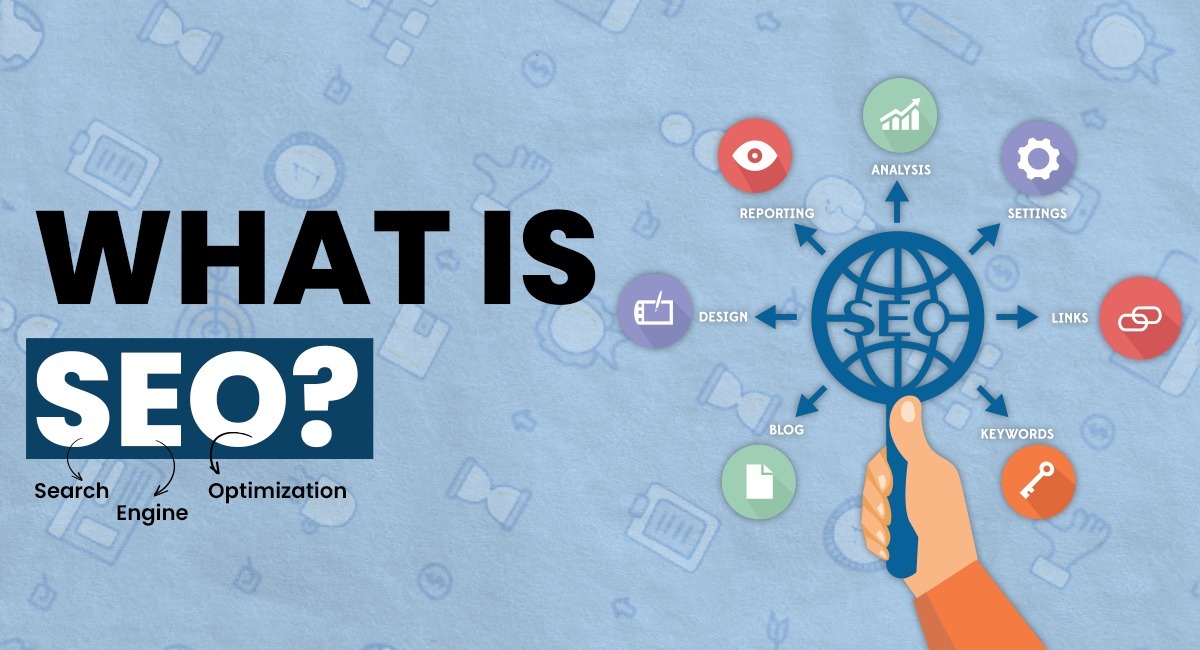
SEO stands for Search Engine Optimization. It is the process of improving a website to help search engines understand its content and make it easier for people to discover relevant pages through unpaid search results.
For example, imagine you own a bakery in Greater Noida. When someone searches for “custom cake shop in Greater Noida,” you want your website to appear among the relevant search results. SEO helps you improve the chances of reaching people searching for the products you offer.
SEO involves several activities, including:
- Researching the words and phrases potential customers use.
- Creating useful, relevant website content.
- Optimizing page titles, headings, images, and URLs.
- Improving website speed, accessibility, and mobile usability.
- Earning relevant links from other websites.
- Improving local search visibility when your business serves a particular area.
SEO does not mean paying Google to place your website in organic results. Instead, it focuses on making your website useful, accessible, relevant, and understandable to search engines and visitors.
How Does SEO Work?
Understanding how SEO works begins with learning how search engines discover and organize information. Google Search generally follows three main stages.
1. Crawling
Crawling is the process of discovering webpages. Search engines use automated programs called crawlers to visit pages, follow links, and find new or updated content.
If your website has broken links, server problems, or technical settings that block crawlers, some pages may be difficult to discover.
2. Indexing
After discovering a page, Google analyzes its content and other information to understand what the page is about. If the page is suitable for inclusion, it may be stored in Google’s search index.
Indexing is not guaranteed. A page can be discovered but still not appear in search results.
3. Ranking
When someone searches on Google, its systems identify and order relevant results using many signals. These can include the meaning of the query, content relevance, quality, usability, and the searcher’s location.
For example, someone searching for “digital marketing agency near me” may see different local results depending on their location.
Effective SEO helps search engines access and understand your content while making your pages more useful to your intended audience. However, no SEO company can guarantee a particular ranking.
Why Is SEO Important for Business Owners?
SEO can support business growth by helping potential customers discover your products, services, and expertise when they search online.
Improves online visibility
When your website appears for relevant search queries, more people have an opportunity to discover your business. Better visibility can help you compete for attention in your industry.
Attracts relevant organic traffic
Organic traffic consists of visitors who arrive through unpaid search results. Unlike traffic generated by broad advertising campaigns, SEO can help attract people actively looking for information, products, or services related to your business.
Builds credibility and trust
A useful website with clear information, genuine customer feedback, and helpful content can give visitors more confidence in your business. Strong search visibility may also help potential customers discover your brand.
Generates potential leads
SEO can bring relevant visitors to service pages, product listings, contact forms, and enquiry pages. Whether those visitors become customers depends on factors such as your offer, pricing, reputation, and website experience.
Supports long-term growth
SEO improvements can continue to provide value after publication, although rankings and traffic can change. Consistent content improvements and technical maintenance help businesses adapt to changing customer needs and search behaviour.
Helps businesses compete online
Small businesses can target specific services, customer questions, locations, and niche topics instead of trying to compete for every broad keyword.
What Are the Main Types of SEO?
A successful SEO strategy combines different areas of optimization according to a website’s needs.
1. On-Page SEO
On-page SEO focuses on elements within your website that help search engines and users understand each page.
Important activities include:
- Using relevant keywords naturally in page titles, headings, and content.
- Writing clear meta descriptions.
- Creating descriptive URLs.
- Adding useful internal links.
- Publishing original content that answers customer questions.
- Optimizing images with descriptive alternative text.
For example, an interior design company could create a detailed service page about modern bedroom interior design rather than relying on a vague page titled “Our Services.”
2. Off-Page SEO
Off-page SEO covers activities outside your website that can help build its reputation and authority.
Relevant backlinks—links from other websites to yours—can help people discover your business and provide useful context about your website. You can work toward earning them through original research, valuable resources, industry partnerships, and genuine business mentions.
Avoid buying spammy links or participating in link schemes. Focus on relevant, credible relationships instead of collecting as many links as possible.
3. Technical SEO
Technical SEO helps search engines access, crawl, understand, and index your website.
Common areas include:
- Website speed and mobile usability.
- Secure HTTPS connections.
- XML sitemaps and crawl accessibility.
- Correct redirects and canonical URLs.
- Fixing broken pages and internal links.
- Resolving indexing problems.
Technical SEO is particularly important when a website has many pages, uses complex technology, or has recently undergone a redesign.
4. Local SEO
Local SEO helps businesses improve their visibility in searches connected to a specific location.
It is especially useful for shops, clinics, restaurants, service providers, and businesses that serve customers in particular areas.
Local SEO activities may include maintaining an accurate Google Business Profile, using consistent business information, creating relevant location pages, and encouraging genuine customer reviews.
For example, a dental clinic could improve its local presence for relevant searches such as “dental clinic in Greater Noida.”
How Can SEO Help Small Businesses Grow?
SEO for small businesses can be especially valuable when budgets are limited and reaching the right audience matters more than attracting large numbers of unrelated visitors.
Consider three examples:
- Local service provider: A plumber can create service pages explaining emergency repairs, installation services, and the areas covered.
- Retail business: A bakery can optimize cake categories and product pages so customers can discover birthday cakes, customised cakes, or seasonal products.
- Online store: An ecommerce business can improve product descriptions, category pages, and helpful buying guides to attract shoppers researching particular products.
Small businesses can also focus on long-tail keywords. These are more specific search phrases, such as “affordable website design services for small businesses in Noida.”
Such searches may have lower search volume than broad terms, but they can reflect a clearer customer need.
The objective is not simply to increase website traffic. It is to attract the right visitors and help them take meaningful actions, such as calling your business, requesting a quotation, booking an appointment, or making a purchase.
Essential SEO Strategies Every Business Owner Should Know
If you are starting with SEO for beginners, the following practical steps provide a useful foundation.
1. Conduct keyword research
Identify the words and questions your potential customers use when searching online. Consider their needs, location, buying stage, and search intent.
For example, “what is website hosting” suggests an informational need, while “website hosting services for small businesses” may indicate a commercial need.
2. Create helpful, original content
Publish pages and articles that genuinely answer customer questions. Explain your services clearly, provide practical examples, and update information when necessary.
Avoid producing repetitive articles simply to target different keyword variations.
3. Optimize page titles and meta descriptions
Give every important page a descriptive, unique title. Write a useful meta description that summarizes what visitors can expect.
These elements should accurately represent the page rather than making exaggerated promises.
4. Use descriptive URLs and headings
Keep URLs readable and relevant to the page topic. Organize content with a clear H1 heading and logical H2 and H3 subheadings.
A well-structured article is easier for visitors to scan and understand.
5. Improve website speed and mobile usability
Test how your website performs on mobile devices. Compress oversized images, remove unnecessary scripts, and check that buttons, forms, and navigation work properly on smaller screens.
A fast, usable website creates a better experience for potential customers.
6. Optimize images
Use relevant image filenames and descriptive alt text when an image conveys meaningful information. Compress images without significantly reducing quality.
For example, an image of a modern living room could use alt text such as “Modern living room with a neutral colour palette and wooden furniture.”
7. Earn relevant, high-quality backlinks
Create useful resources that other websites may want to reference. Build relationships with relevant industry publications, partners, and local organizations.
Prioritize editorial relevance and genuine value rather than purchasing large numbers of links.
8. Improve internal linking
Link related pages to one another using clear, descriptive anchor text. For example, a blog explaining SEO basics could link to your search engine optimization services page.
Internal links help visitors explore your website and help search engines discover related content.
9. Optimize your Google Business Profile
Eligible local businesses should verify their profile and keep their business name, address or service area, phone number, opening hours, and services accurate.
Add relevant photos and respond professionally to reviews. Complete information can help Google better understand how your business relates to local searches, although local ranking is not guaranteed.
10. Monitor SEO performance
Use Google Search Console to monitor search impressions, clicks, queries, indexing issues, and page performance.
Google Analytics can help you understand what visitors do after reaching your website. Review enquiries, calls, purchases, and other meaningful conversions alongside traffic.
Use these insights to identify what is working and what needs improvement.
Common SEO Mistakes Businesses Should Avoid
Even businesses investing in SEO can waste time and resources through avoidable mistakes.
- Keyword stuffing: Repeating the same phrase unnaturally makes content difficult to read.
- Duplicate content: Publishing substantially repetitive pages can confuse users and complicate search engine selection of the most appropriate page.
- Spammy backlinks: Manipulative link schemes can violate Google’s spam policies and put search visibility at risk.
- Ignoring mobile users: A website that is difficult to navigate on a phone can discourage potential customers.
- Neglecting technical issues: Broken pages, blocked crawlers, and incorrect indexing settings can prevent important content from appearing in search.
- Publishing low-quality content: Articles created primarily to manipulate rankings may fail to meet real customer needs.
- Expecting instant results: SEO requires time, monitoring, and continued improvements.
The better approach is to prioritize user needs, follow search engine guidelines, and review performance regularly.
How Long Does SEO Take to Show Results?
SEO does not produce the same results for every business. Some technical or content changes may be reflected relatively quickly, while meaningful improvements in rankings, traffic, and leads may take several months or longer.
The timeline depends on factors such as:
- Your website’s existing condition and history.
- Competition for your target keywords.
- Content quality and relevance.
- Technical issues and website accessibility.
- The time and resources invested in optimization.
- Changes in customer demand and search algorithms.
A new website competing in a crowded industry may need more time than an established website targeting a specific niche.
Rather than judging success by rankings alone, track progress through impressions, relevant organic clicks, qualified enquiries, and conversions. No ethical SEO provider can promise a fixed timeline or guaranteed first-page placement.
Should You Do SEO Yourself or Hire an SEO Agency?
Business owners can manage many SEO basics themselves. Keyword research, content updates, page titles, internal linking, and basic Search Console monitoring are reasonable starting points for a small website.
However, professional support may be useful when your website has technical problems, competitors are strong, content production is difficult to manage, or you need a structured SEO strategy.
A professional digital marketing agency can help prioritize tasks, conduct audits, identify opportunities, implement improvements, and measure performance.
Before hiring an SEO company, ask about its process, reporting, deliverables, communication, and approach to Google’s guidelines. Be cautious of guaranteed rankings, secret techniques, and unrealistic traffic promises.
The right choice depends on your budget, available time, website complexity, and business objectives.
How Digipromoters Can Help Your Business With SEO
At Digipromoters, we understand that businesses need more than a website to build a strong online presence. They need a practical strategy that helps potential customers discover their products and services.
Our SEO-related support can help businesses identify opportunities, improve website content, and build a stronger foundation for organic search visibility.
Depending on your website’s needs, our work can include:
- Keyword research: Identifying relevant search terms aligned with your audience and business goals.
- On-page SEO: Improving page titles, headings, content structure, internal links, and other page elements.
- Technical SEO: Identifying website issues that may affect crawling, indexing, or usability.
- Content optimization: Developing and improving content that answers relevant customer questions.
- Local SEO: Supporting eligible businesses with local search optimization and Google Business Profile improvements.
- Performance tracking: Reviewing available search and website analytics to identify opportunities for improvement.
Our approach should begin with understanding your business, target audience, website condition, and competition. SEO priorities can then be aligned with your goals, whether those involve increasing qualified traffic, improving local visibility, or generating more relevant enquiries.
SEO is an ongoing process, and results depend on many factors beyond an agency’s control. The focus should be on sustainable improvements, transparent communication, and measurable progress.
Want to improve your website’s visibility on Google? Contact Digipromoters to discuss your website, target audience, and SEO goals. Let’s explore practical ways to strengthen your online presence and help more potential customers discover your business.
Frequently Asked Questions About SEO
1. What is SEO in simple words?
SEO, or Search Engine Optimization, is the process of improving a website so that people can find it more easily through unpaid search results. It includes improving website content, technical performance, and search relevance.
2. Why is SEO important for a business website?
SEO helps potential customers discover your business when they search for relevant products, services, or information. It can improve online visibility, attract relevant organic traffic, and support lead generation.
3. How does SEO help a website rank on Google?
SEO helps Google discover, understand, and evaluate website pages. Relevant content, technical accessibility, usability, and other ranking signals can influence how pages appear in search results. Rankings are never guaranteed.
4. Can a small business do SEO on its own?
Yes. Small businesses can begin with keyword research, useful content, page optimization, internal linking, and Google Search Console. Professional support may help when technical problems or competitive markets require additional expertise.
5. How long does SEO take to work?
SEO results vary depending on competition, website condition, content quality, and optimization efforts. Meaningful improvements can take several months or longer, so businesses should monitor progress consistently.
6. Is SEO better than paid advertising?
Neither is universally better. SEO can support long-term organic visibility, while paid advertising can provide quicker exposure when campaigns are active. Many businesses benefit from combining both according to their goals and budget.
7. How much do SEO services cost?
SEO service costs depend on website size, competition, target locations, technical requirements, content needs, and the scope of work. Request a clear proposal that outlines deliverables, reporting, timelines, and fees before choosing a provider.
8. What is the difference between SEO and SEM?
SEO focuses on improving visibility in organic search results. SEM, or Search Engine Marketing, is commonly used to describe paid search marketing and, in some contexts, the broader practice of marketing through search engines. Always clarify how a provider uses the term.
Conclusion: What Is SEO and Why Does It Matter?
So, what is SEO? It is the process of making your website easier for search engines to understand and more useful for people searching for your products, services, and information.
For business owners, SEO can support online visibility, relevant organic traffic, customer trust, and long-term growth. The foundation is straightforward: research your audience, create helpful content, maintain a technically accessible website, and measure performance consistently.
You do not need to master every technical detail on day one. Start with the pages that matter most to your customers, fix important website issues, and improve your content over time.
If you need professional guidance, Digipromoters can help you explore SEO strategies suited to your business goals. Get in touch to discuss your website and take the next step toward a stronger online presence.